
Clutter's Effect on Creativity

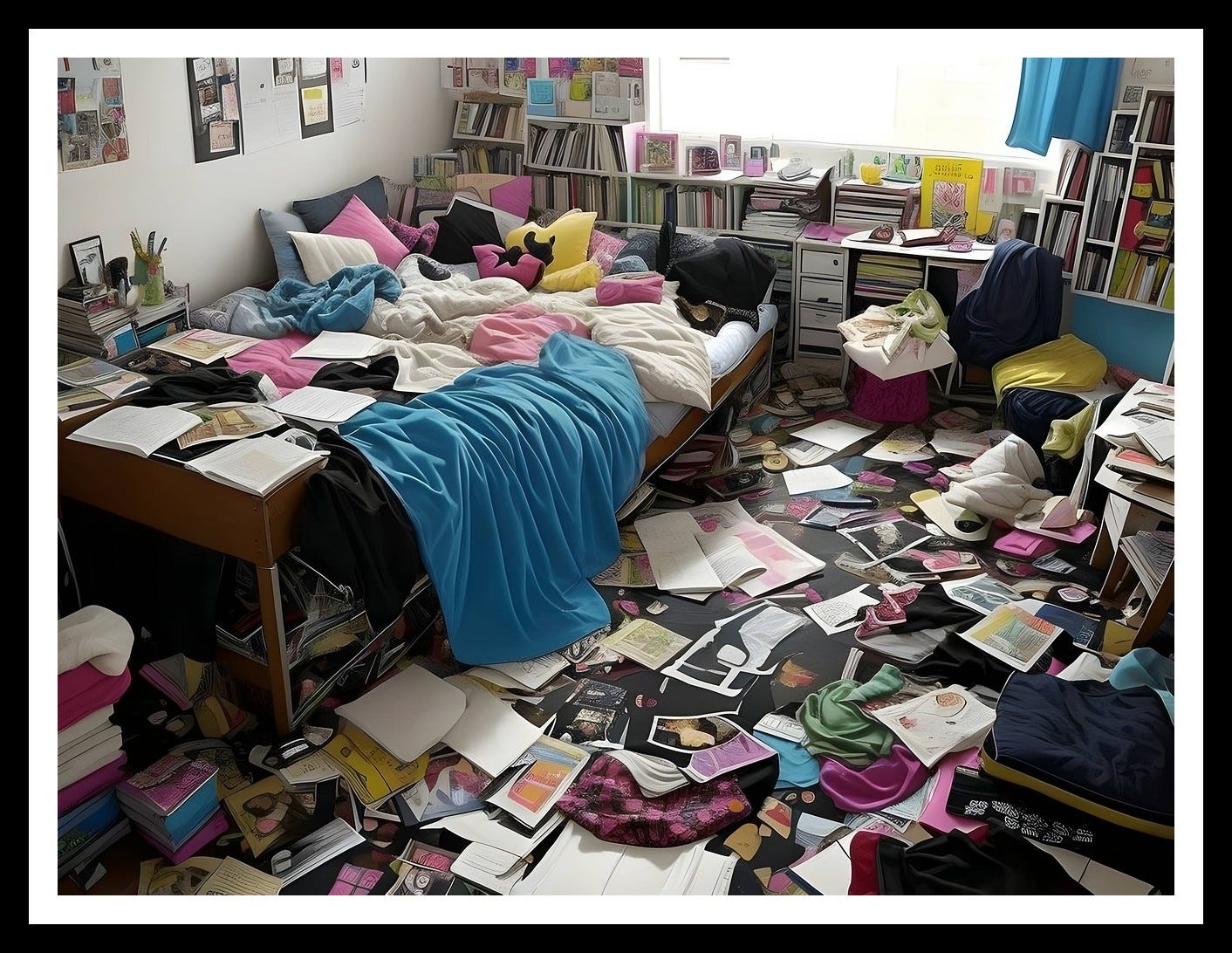
Clutter, often seen as a minor annoyance, can have a profound effect on the creative mind. When our environment is cluttered, it competes for our attention, creating a cognitive overload that hinders our ability to think clearly and creatively. A cluttered space can lead to increased stress and anxiety, which in turn impairs cognitive functions such as problem-solving and idea generation.
The creative process thrives on clarity and mental space. A tidy environment helps reduce distractions, allowing the mind to focus more deeply on the task at hand. This clear-headedness is essential for the incubation phase of creativity, where ideas are formed and connections are made. In contrast, a disorganized space can disrupt this process, leading to fragmented thinking and a struggle to maintain focus.
Moreover, physical clutter often translates into mental clutter. When surrounded by mess, our brains expend additional energy trying to manage and filter out the irrelevant stimuli. This unnecessary expenditure of cognitive resources can sap the energy needed for creative endeavors.
In essence, maintaining an organized and clean workspace is not merely about aesthetics; it is a powerful tool to foster a conducive environment for creativity. Decluttering can unlock new levels of productivity and innovation, allowing the creative mind to flourish unhindered.